
By Kanyon · Kanyon Studio · November 13, 2026
A useful car auction gallery does two jobs: it introduces the vehicle clearly, and it gives someone who cannot visit enough detail to assess its condition. Strong exterior photographs matter, but so do the cabin, underside, identification markings, and visible wear.
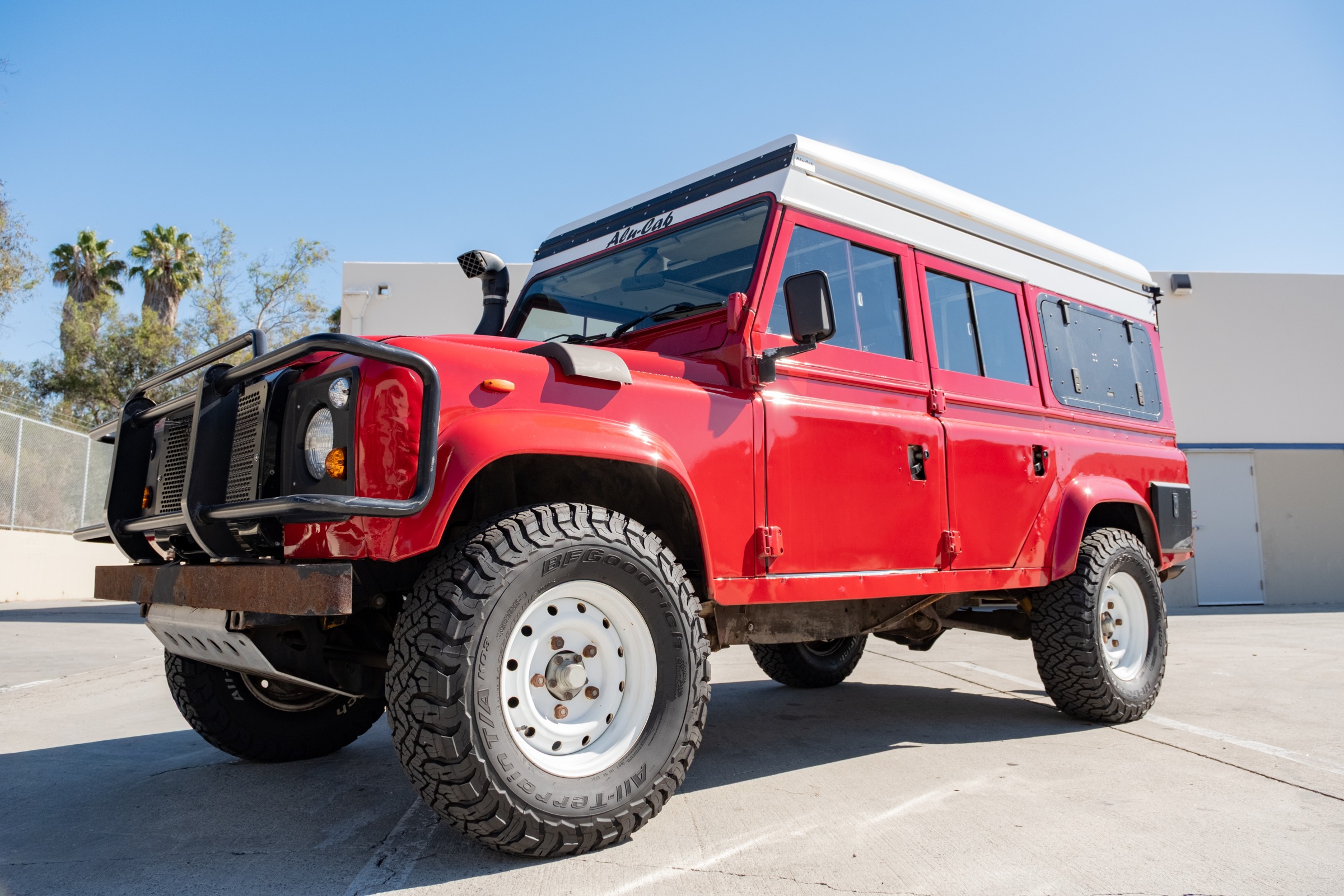
This checklist is for owners preparing a car, truck, or motorcycle for an online auction. The photographs below are from my Defender and Panhead chopper work. For local shoot information and more examples, see car auction photography in San Diego.
Prepare the vehicle before the shoot
- Clean it inside and out. Dry the bodywork, clean the glass, vacuum the cabin, and remove personal belongings.
- Gather what is included. Set aside spare keys, tools, manuals, accessories, and relevant records. Remove private addresses and payment information from any documents intended for public display.
- Write down known issues. Note scratches, dents, corrosion, upholstery damage, and modifications so they can be photographed deliberately.
- Confirm access. Have the keys ready, make sure doors and compartments can open, and agree on how the vehicle will be moved. If underside photographs need a lift, arrange suitable access separately.
Choose clear light and enough space
Look for an uncluttered background and room to walk around the whole vehicle. Even light makes paint, trim, and body panels easier to judge. Open shade or soft morning light is often more useful for this than a dramatic sunset.
For a San Diego session, agree on the location and time beforehand. Check that parking and photography are allowed, and that the vehicle can reach the location. A non-running vehicle needs a different plan from one that can be repositioned.
The auction photo checklist
Use this as a planning list, then compare it with the auction platform’s current requirements. The right image count depends on the vehicle’s condition, features, and modifications.
| Coverage | What to show | What it explains |
|---|---|---|
| Exterior overview | Front, rear, both sides, and three-quarter views, with the entire vehicle in frame | Overall proportions, stance, and body condition |
| Exterior details | Wheels, tires, lights, glass, trim, panel edges, and visible flaws | Finish, wear, and details that wide photographs miss |
| Cabin | Seats, dashboard, controls, door panels, headliner, cargo area, and odometer | Layout, equipment, mileage display, and interior condition |
| Mechanical areas | Engine bay, accessible underside, suspension, and relevant modifications | Visible components and condition; photographs are not a mechanical inspection |
| Identification and extras | Relevant tags and markings, keys, accessories, and appropriately redacted records | Vehicle identification and what accompanies the sale |
Show the details that answer buyer questions
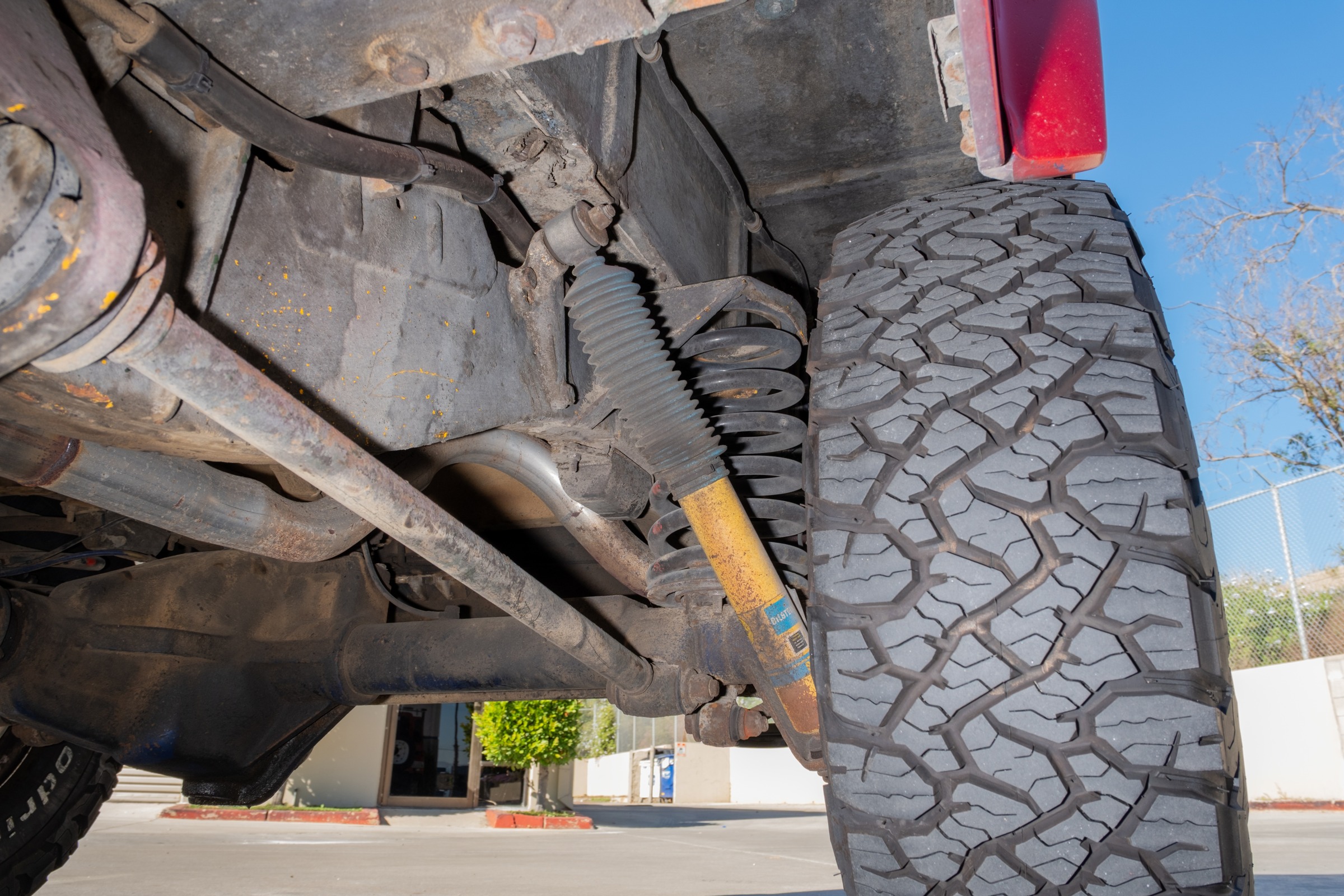
The Defender suspension photograph below serves a different purpose from the opening exterior view. It shows a part of the vehicle that a distant buyer would otherwise have to ask about. A complete gallery needs both kinds of photograph.
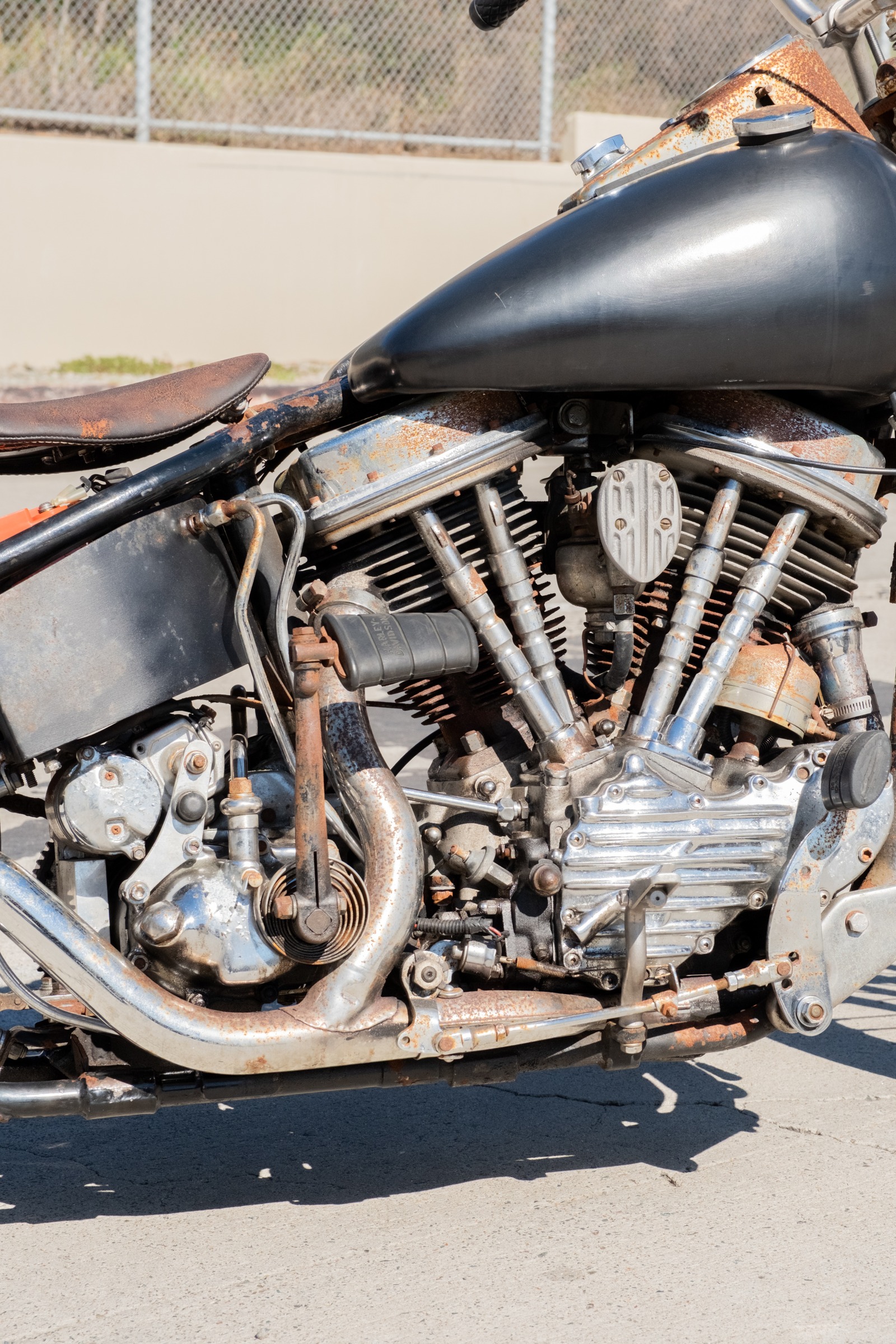
For a modified vehicle, document the changes as well as the overall appearance. A camper conversion might need photographs with the roof raised and storage open. A motorcycle benefits from clear views of the engine, controls, wheels, and frame details.
Keep the editing faithful
Auction photographs should make the vehicle easier to see. Exposure, white balance, and careful framing can improve clarity, while scratches, dents, corrosion, and upholstery wear should remain visible. Avoid effects that disguise paint color or condition.
Bring a Trailer explicitly prohibits photographs created or altered with AI tools. Check its official photography guide before preparing files. I would treat an auction gallery differently from an advertising image that involves creative retouching.
Organize the gallery before uploading
Lead with a clear exterior view, follow with a consistent walk-around, then group the cabin, mechanical areas, condition details, and included items. Remove accidental duplicates, but keep different views when they explain something useful.
Use descriptive filenames and retain the original edited files. Export a separate upload set to the platform’s current specifications rather than repeatedly resizing the same JPEGs.
Cars & Bids currently calls for at least 30 high-resolution photographs, plus cold-start and walk-around videos. Its photo guide and shot list explain the expected coverage. Confirm video requirements before booking so they are included in the agreed scope.
Questions to settle before booking
How many photographs will I need?
Start with the platform’s checklist, then add coverage for the vehicle’s particular condition and features. A fixed count alone does not tell you whether the gallery is complete. Agree on the finished coverage before the shoot.
Can a motorcycle use the same approach?
Yes. Use clear overall views, followed by the engine, controls, identification markings, modifications, and condition details. Adapt the checklist to the motorcycle and the platform you intend to use.
Are underside photographs and videos included?
Confirm both in the quote. Safe access, lift arrangements, vehicle operation, and the type of video required affect the shoot plan. Never assume a standard photo session includes every supplemental item.
Planning an auction shoot in San Diego
Send the make and model, the intended auction platform, the vehicle’s location, your deadline, and any special access or coverage needs. You work directly with me on the shot list, shoot, and final edit.
View car auction photography and examples, or send your vehicle details for a quote.
Kanyon Studio is an independent photography business and is not affiliated with Bring a Trailer or Cars & Bids. Platform guidance checked November 13, 2026; confirm requirements before submitting.